
A delicacy from the past: who came up with the idea of eating mussels
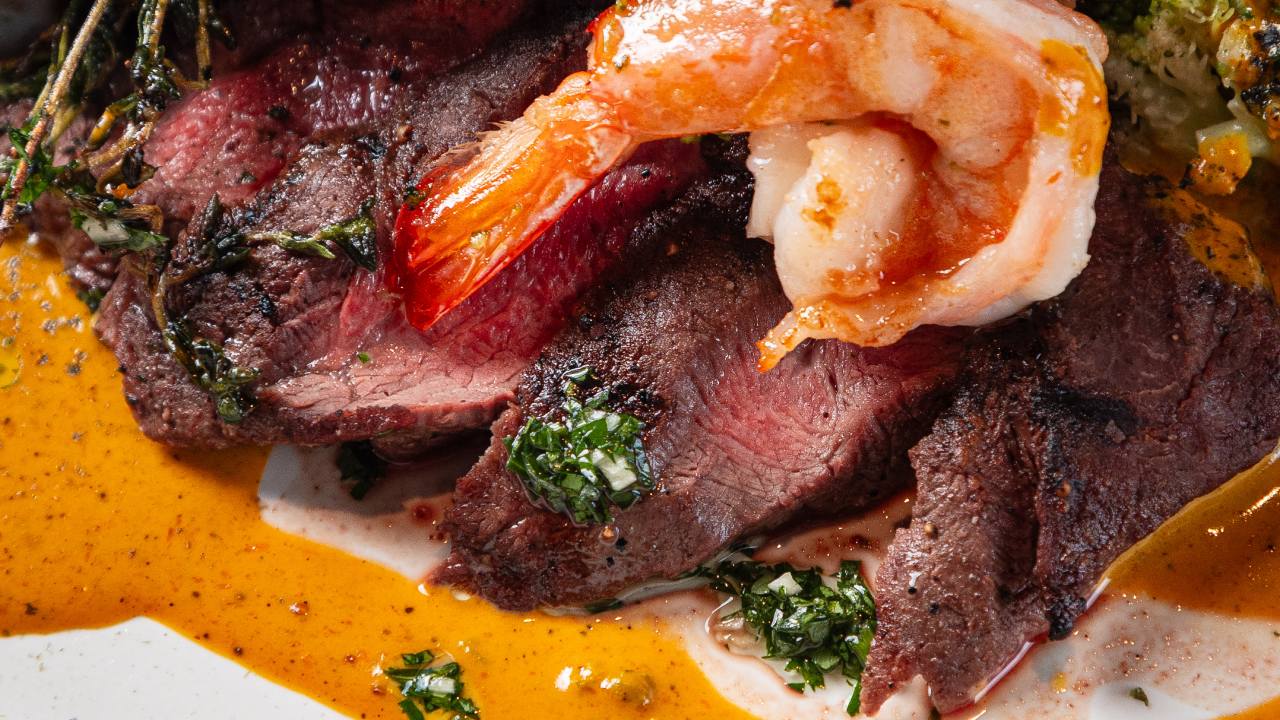
A plate of mussels in sauce, French fries, a glass of wine—a typical meal somewhere on the Atlantic coast of France. In our country, mussels are more of a delicacy, although, unlike oysters, they are not too expensive. But they are very tasty, so you can find them on the menu of almost any restaurant.
How did mussels come to conquer the world? And how should they be prepared and eaten? Find all the answers in this article!
Back to the past
Perhaps dinosaurs were the first to try shellfish. This is because bivalves appeared as early as the Mesozoic era. It is impossible to verify this, but millions of years later, primitive humans definitely tasted seafood—164,000-year-old oyster shells were found in caves. And where there are oysters, there are most likely mussels.
The deliberate cultivation and consumption of mussels began much later. The French believe that the first farms were established in Normandy as early as the 8th century. The Irish, on the other hand, believe that their sailors began cultivating mussels on oak poles in the sea in the 13th century. Fishermen from Japan used large stones for this purpose.
Modern mussel farms are located all over the world. The process resembles working in a field: small mollusks are attached to a rope using a biodegradable net. The ropes are suspended on floating rafts. After a few weeks, the net dissolves, and the mussels continue to grow, feeding on natural plankton from the water. In just 9–12 months, they reach the desired size. They are then harvested, cleaned, frozen, and sent to stores.
The benefits of mussels
Just 100 grams of mussels contain more iron than a steak. They contain selenium for immunity, zinc for men's health, phosphorus, potassium, and iodine. Mussels are rich in B vitamins, especially B12, which strengthens the nervous system and improves blood formation. At the same time, they are low in calories—only 77 per 100 grams—and high in protein and beneficial omega-3 fatty acids. A serving of mussels covers half of the daily requirement of omega-3, without the extra calories.
How to cook mussels correctly
Mussels are versatile: they can be steamed, stewed with vegetables, fried with garlic, or added to pasta. They go well with cheese, lemon, tomatoes, and herbs. It is important to remember that the shells themselves contain a lot of juice, so you should not add too much liquid when cooking. Mussels take only 5–6 minutes to cook. If you overcook them, they can become tough. Open shells are a sign that they are ready, and it is better not to eat closed ones.
10 more useful facts about mussels that every seafood lover should know:
- — Fresh mussels need to be cleaned both inside and out. To do this, soak them in cool salt water for an hour. Spoiler alert: a lot of dirt will come out of them, which could end up on your plate. But you can't leave them like this for too long — they will die in stagnant water.
- — Most frozen mussels (both in and out of their shells) are already cooked before freezing. For a salad, simply thaw them; for a hot dish, just warm them up a little. If you overcook them, they will become “rubbery.”
- — Before cooking, discard any mussels with open shells — they are already dead. After cooking, discard any that have not opened. But don't do this right away — first try cooking them for another minute. Perhaps they are just being stubborn.
- — Never pour hot water over frozen mussels. To keep them tasty and tender, simply transfer them from the freezer to the refrigerator 12 hours before cooking.
- — When cooking fresh mussels, do not add water — they will release their own juice. You can add a little white wine for flavor. There is no need to salt them either — they are already salty from the sea water.
- — Frozen mussels are an inexpensive way to make fish soup rich and tasty. They go best with tomatoes. Add them at the very end, after removing the soup from the heat.
- — To remove the meat from the shell, use the empty shell from another mussel as tongs. And to avoid losing the delicious juice, serve the mussels with bread to dip in the sauce.
- — Mussels live in different types of water. The less salty the water, the smaller the mussels. For example, White Sea mussels are small and tender, while New Zealand mussels are very large and dense.
- — Mussels have fibers that look like seaweed sticking out of them. These are not edible, but special threads (“beards”) that the mussel uses to cling to rocks. Before cooking, simply pull them off sharply to remove them.
- — Almost any recipe for fresh mussels will work for frozen ones. First, prepare the sauce completely, and add the mussels at the very end: without shells — for 1–2 minutes, in shells — for 2–3 minutes.
You can try properly prepared mussels at the Lambic restaurant chain. Our menu features live mussels in Roquefort sauce, tom yum, truffle, and white wine sauce. We also offer a wide selection of other dishes, an extensive beer list, and a consistently welcoming atmosphere. We look forward to seeing you!


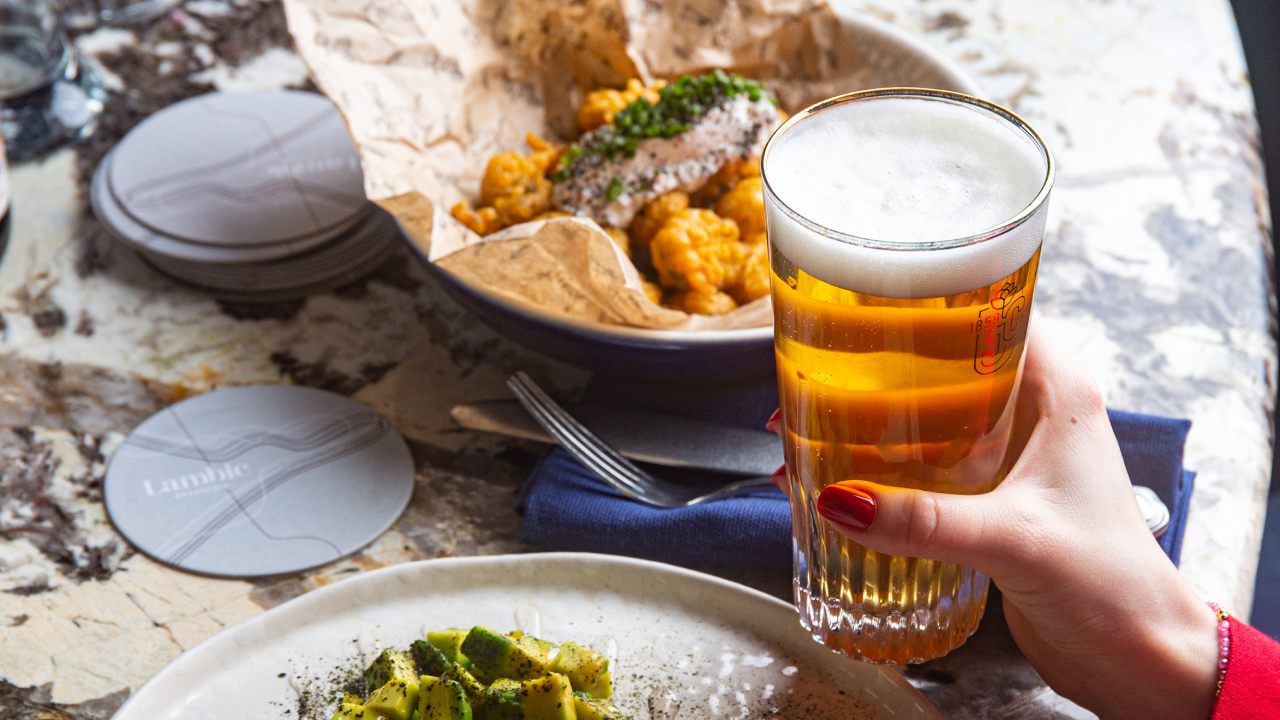
Lager Instead of Coffee: Can You Pair Beer with Breakfast and Light Meals?
Contents Can you drink beer in the morning and during the day Which salads pair well with beer Which breakfasts go well with beer It's commonly believed that beer is an evening drink, while breakfast or brunch usually comes with juice, coffee, or sparkling wine. In fact, pairing beer with morning and daytime dishes is a perfectly normal practice. The variety of styles makes it possible to find a match for almost any dish. And when chosen correctly, beer can work like an aperitif, awakening the appetite and gently aiding digestion. Can you drink beer in the morning and during the day Yes, and there are several reasons why. First, an ordinary lager or ale isn't any stronger than champagne, so even a glass of beer won't really get you drunk. Besides, hop bitterness in small doses stimulates gastric juice production, helping food digest better. The main thing is not to overdo the dose and not to pair the drink with greasy fast food. Which salads pair well with beer The main pairing principle is either contrast (something sour balancing something fatty) or harmony (malty sweetness softening salty and spicy flavors). Here are a few examples: — Salads with meat and poultry. Olivier salad with smoked duck pairs best with a light lager: its bready bitterness cleanses the palate. A salad with beef, pumpkin, and mustard dressing calls for a Belgian dubbel – its caramel sweetness will soften the spiciness.— Salads with fish and seafood. Niçoise salad with tuna and anchovies goes perfectly with a pilsner. A salad with shrimp, avocado, and feta cream is best served with a wheat beer (weissbier) – its soft banana and spicy notes will highlight the flavor.— Classic salads. Caesar salad pairs well with a wheat ale: banana and spicy notes will bring out the cheese and dressing. For Caesar salad with shrimp, a seasonal beer works well – its spicy acidity complements the seafood. Which breakfasts go well with beer An excellent beer pairing can be found for almost any popular breakfast dish: — Waffles. A potato waffle with salmon and poached egg pairs well with a sour ale. A waffle with chicken and mushrooms goes with a dry gose. Zucchini waffles with wasabi shrimp pair with a witbier.— Bruschetta. With beef and caramelized onion – pair with an amber lager. With chicken liver and arugula – pair with a milk stout.— Bacon and eggs. The best match is a light lager, which refreshes and cleanses the palate.— Sweet breakfasts. French toast with berries or oatmeal with raspberries pair wonderfully with a fruit lambic. Experiment – and you'll be amazed how many new nuances open up in familiar food. Or better yet, come for breakfast or a business lunch at Lambic: we'll recommend a beer that will win your heart, and tell you which dishes go best with it. See you soon!
17 June 2026
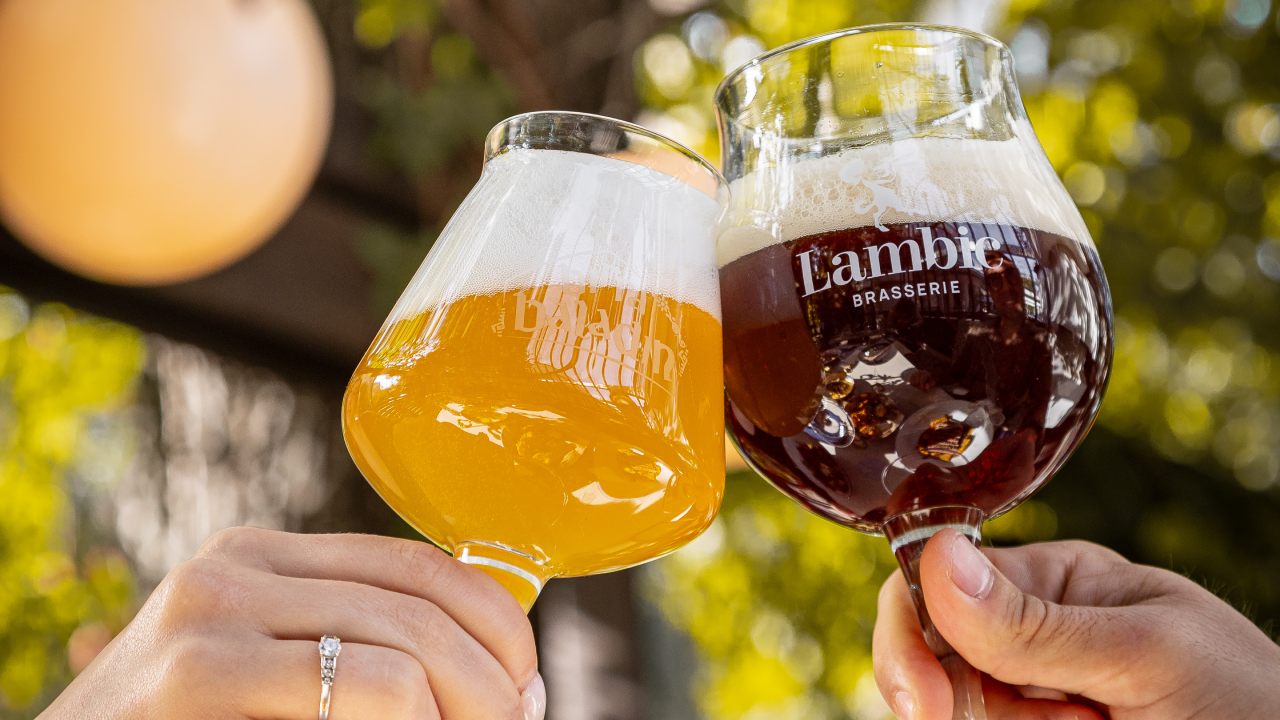
Beer and Cheese: A Pairing You Might Not Have Known About
Contents Why cheese and beer is a classic European pairing Which beer styles suit soft, semi-hard, and aged cheeses What to drink with blue cheese, goat cheese, and camembert Cheese and beer: ready-made set ideas for an evening at home and at Lambic restaurant Wine with cheese is a classic. But few people know that cheeses of various kinds can also be paired with beer. Beer doesn't overpower the flavor of cheese — it enhances it. Thanks to the wide variety of styles, you can find a match for everything from delicate mozzarella to pungent gorgonzola. Let's look at which cheese works best with beer and suggest a few interesting pairings. Why cheese and beer is a classic European pairing In Belgium, Germany, and the Netherlands, cheese boards have been served with beer for centuries. The reasons are simple: — carbon dioxide bubbles cleanse the palate of the cheese's richness;— hop bitterness helps balance it;— malty sweetness and fruity esters bring out even the most aged cheeses. Which beer styles suit soft, semi-hard, and aged cheeses Soft cheeses (brie, camembert, mozzarella, burrata) call for gentle styles: weissbier, witbier, bock. They add fruitiness without overwhelming the creaminess.Semi-hard cheeses (gouda, edam, tilsiter, cheddar) pair well with malty lagers, amber ales, and dubbels.Aged and hard cheeses (parmesan, gruyère, mature cheddar) go with IPA, tripel, barley wine, or imperial stout. What to drink with blue cheese, goat cheese, and camembert Blue cheeses (gorgonzola, roquefort, dorblu) pair perfectly with sour beer: fruit lambic or gose. A classic combination is roquefort with raspberry lambic.Goat cheese, with its tangy, earthy character, goes well with witbier, saison, or dry lager.Camembert and brie are best served with milk stout or porter: coffee-chocolate notes harmonize with the creaminess. Cheese and beer: ready-made set ideas for an evening at home and at Lambic restaurant Here are a few tried-and-tested combinations: Light aperitif set:— mozzarella or burrata with a Belgian witbier (such as Hoegaarden);— fresh goat cheese with a seasonal beer. Rich set:— aged gouda with an amber lager (märzen);— cheddar with a medium-bitterness IPA. Experimental set:— gorgonzola with lambic (cherry or raspberry);— camembert with milk stout. A versatile option for home: take four cheeses – brie, gruyère, roquefort, and fresh goat cheese – and serve them with witbier, tripel (such as Tripel Karmeliet), kriek, and gose. Try each pairing, and you'll be amazed how differently both the beer and the cheese reveal themselves. At Lambic, we'll offer you cheese appetizers to match any beer you choose. Come by – we'll find something to surprise you with!
17 June 2026