
How to choose beer yourself: a detailed guide for beginners
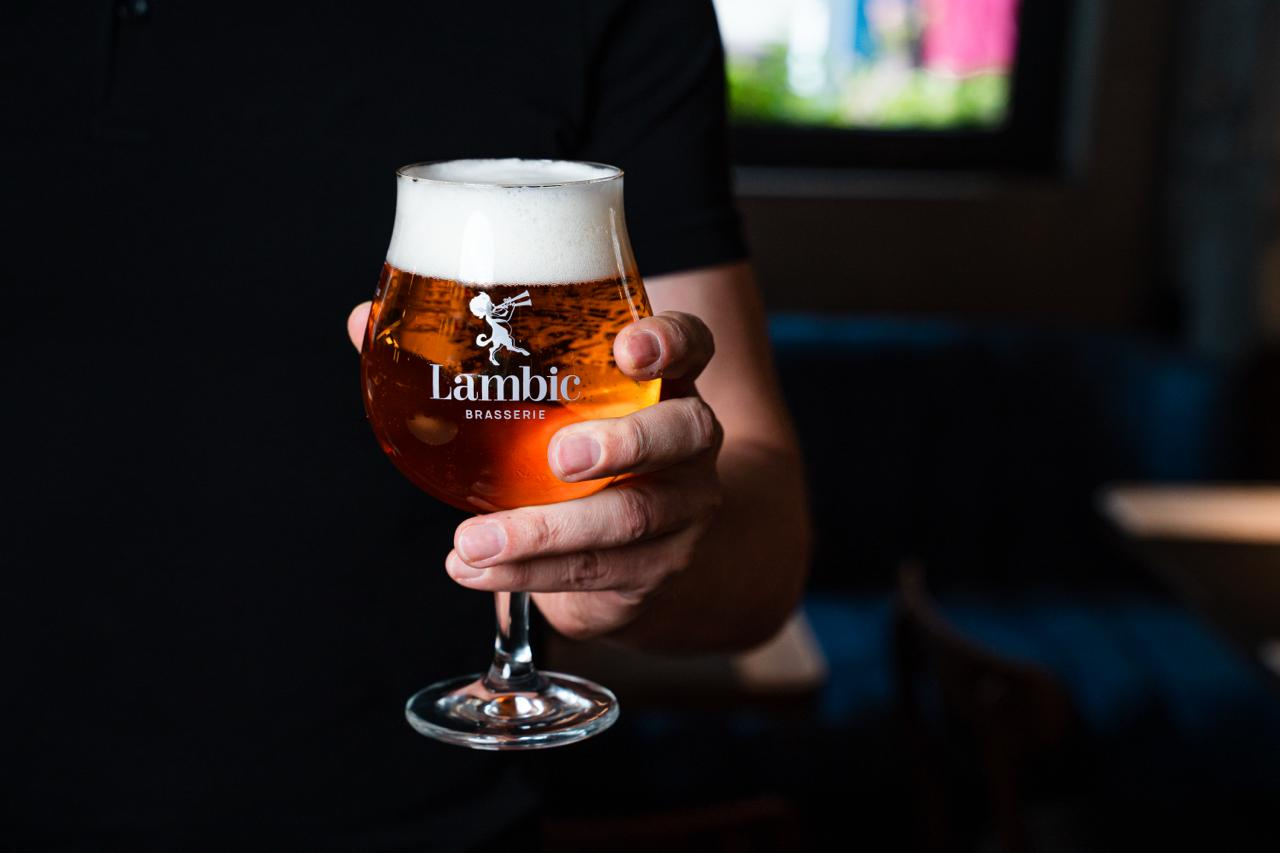
Beer is a low-alcohol beverage made from hops, barley malt, and yeast through fermentation. But not everything on store shelves and in bars can be called truly good beer.
How can you choose a tasty beer
How can you choose a tasty beer if you don't know anything about it? Here are ten simple rules to help you find a truly good drink.
- 1. Label
To avoid buying a poor-quality product, you need to check the label for authenticity. On a quality beer, it should be affixed evenly, without wrinkles, bubbles, or damage. All information, including ingredients and shelf life, should be easy to read. And with the help of special apps, you can check the authenticity of the excise stamp to ensure the legality of the product.
- 2. Shelf life
The shorter the shelf life, the better the quality of the beer. Stabilizers are added to the drink for long-term storage, which makes it harder on the body. For example, live unfiltered beer can only be stored for 2-3 days, and it is best to try it in breweries. Pasteurized “live” beer from the store can be stored for several weeks. Never drink beer that has expired — it can cause poisoning.
- 3. Strength and density
The numbers 10%, 12%, or 14% on the bottle most often refer to the density of the beer, not its strength. Here is an approximate conversion to familiar degrees:
- — 10% density — about 4% alcohol;
- — 12% — about 5%;
- — 14% — about 6%;
- — 18% — about 8%.
Nowadays, many manufacturers directly indicate the alcohol content. The norm is from 3% to 14%. Good beer has an alcohol-to-density ratio of about 1 to 2.5. If the balance is disturbed, alcohol may have been added to the drink.
- 4. Storage conditions
Beer in kegs in bars or stores must be stored in a cool place. This is especially important to monitor in the summer. Heat and sunlight cause beer to spoil quickly and may cause it to ferment. Therefore, both in restaurants and supermarkets, it is worth asking where the drink was stored. It is best not to take warm bottles from the shelves.
- 5. Cleanliness matters
Beer keg tubes should be cleaned daily or at least several times a week. If this is not done, yeast residues will spoil the taste of the drink and give it an unpleasant sourness. This means that it is better to go to trusted establishments, as the risk of encountering a poor-quality product is lower.
- 6. Serving tricks
Before pouring beer, there is no need to wipe the glass dry. It is enough to rinse it with cold water to wash off dust and cool it down. Water droplets on the sides of the glass will help the beer reveal its taste and aroma better.
- 7. Counting circles
After drinking a good beer, foam marks — “rings” — remain on the sides of the glass. Their number often corresponds to the number of sips. If there are no marks, the beer may be diluted. You should also be wary if the foam is too large and takes up half the glass — unscrupulous bartenders save on the drink this way.
- 8. Better to pour it into another container
Beer can be sold in glass bottles, tin cans, or plastic containers. It is best to drink it after pouring it into a glass or mug. If you drink it straight from the bottle or can, the drink gets shaken up and quickly oxidizes, which spoils its taste.
- 9. What is the price?
Cheap beer almost always means poor quality. Of course, a high price does not always guarantee excellent taste (part of the price may be advertising costs), but a low price is a sure sign of a bad product.
- 10. Choose according to taste
And the last rule is that to choose a beer that you will definitely like, it is important to focus on your own taste. The main types are: porter — dark and strong; ale — thick and aromatic; lager — classic light; lambic — Belgian beer with fruity notes.
Seven signs of good beer
The quality of beer can be determined by several characteristics:
- — Good beer should not be cloudy (this also applies to unfiltered beer). Cloudiness indicates impurities or a violation of the brewing process.
- — There should be a slight bitterness of hops in the taste, but it should not be unpleasant.
- — There should be no pronounced smell of honey or acidity — this is a sign of a defect.
- — The taste should be dense and rich, not watery.
- — The foam should be dense and persistent, lasting several minutes. With light beer, the foam leaves rings as the glass is emptied.
- — Dark beer usually has less foam (up to 5 cm), but the bubbles last longer.
- — A distinct sourness and sharp bubbles indicate that the beer has fermented or contains artificial additives.
Rules for consumption
Have you selected a quality beer? Here is how to serve and drink it properly:
- — Do not mix different types of beer in one glass. It is better to finish one and pour a fresh one into a clean glass.
- — Choose glasses made of glass, ceramic, or porcelain. Plastic and metal are not suitable.
- — The optimal serving temperature is up to 8 °C. Cool beer in the refrigerator, but not in the freezer — a sharp temperature change will spoil the taste.
- — Pour beer correctly: hold the bottle or can 2-3 centimeters from the rim of the glass, which should be held at an angle. Pour to the middle of the glass (there is often a special mark there) to allow the foam to form and settle.
- — The ideal way to taste beer is in three sips: the first large (about half), the second half of what remains, and the third to finish off the rest. And don't mix beer with other alcohol.
- — Never add fresh beer to yesterday's leftovers. It's better to pour out any unfinished drink.
Now you know how to distinguish quality beer and serve it correctly. And if you don't want to do everything yourself, come to Lambic beer restaurants! We will advise you on beer, recommend excellent snacks to go with it, and delight you with a cozy atmosphere. See you soon!


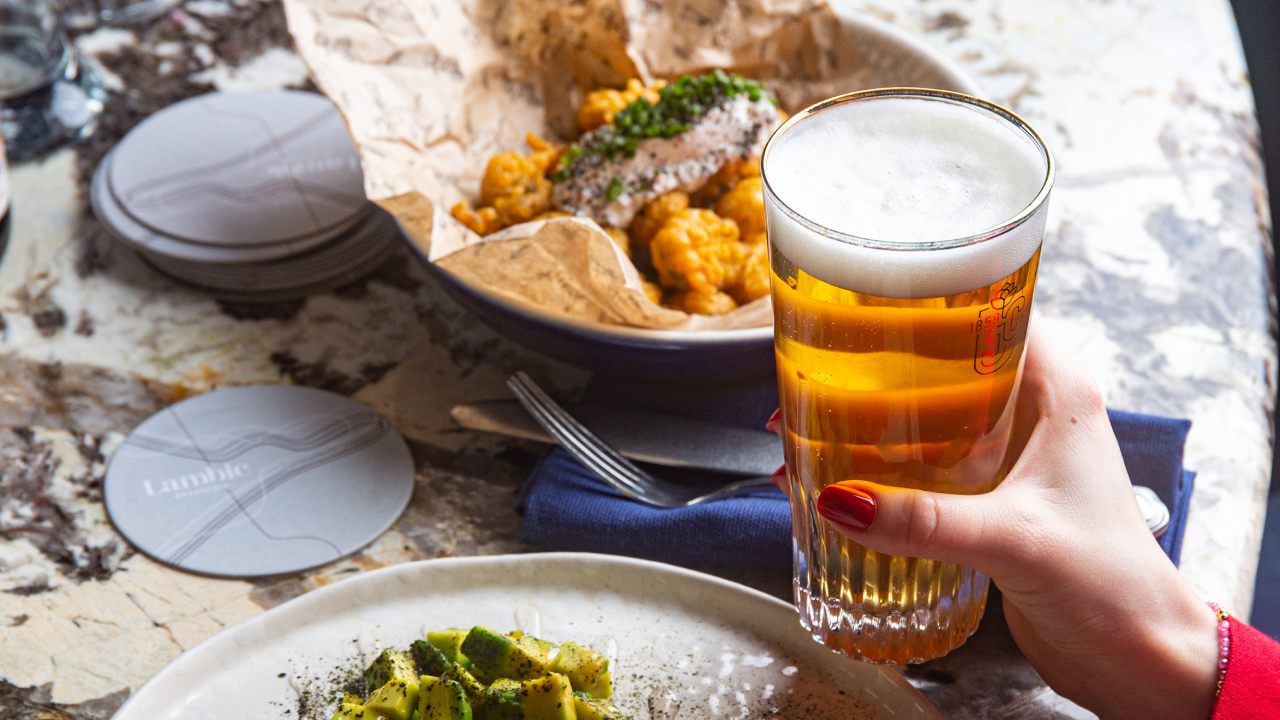
Lager Instead of Coffee: Can You Pair Beer with Breakfast and Light Meals?
Contents Can you drink beer in the morning and during the day Which salads pair well with beer Which breakfasts go well with beer It's commonly believed that beer is an evening drink, while breakfast or brunch usually comes with juice, coffee, or sparkling wine. In fact, pairing beer with morning and daytime dishes is a perfectly normal practice. The variety of styles makes it possible to find a match for almost any dish. And when chosen correctly, beer can work like an aperitif, awakening the appetite and gently aiding digestion. Can you drink beer in the morning and during the day Yes, and there are several reasons why. First, an ordinary lager or ale isn't any stronger than champagne, so even a glass of beer won't really get you drunk. Besides, hop bitterness in small doses stimulates gastric juice production, helping food digest better. The main thing is not to overdo the dose and not to pair the drink with greasy fast food. Which salads pair well with beer The main pairing principle is either contrast (something sour balancing something fatty) or harmony (malty sweetness softening salty and spicy flavors). Here are a few examples: — Salads with meat and poultry. Olivier salad with smoked duck pairs best with a light lager: its bready bitterness cleanses the palate. A salad with beef, pumpkin, and mustard dressing calls for a Belgian dubbel – its caramel sweetness will soften the spiciness.— Salads with fish and seafood. Niçoise salad with tuna and anchovies goes perfectly with a pilsner. A salad with shrimp, avocado, and feta cream is best served with a wheat beer (weissbier) – its soft banana and spicy notes will highlight the flavor.— Classic salads. Caesar salad pairs well with a wheat ale: banana and spicy notes will bring out the cheese and dressing. For Caesar salad with shrimp, a seasonal beer works well – its spicy acidity complements the seafood. Which breakfasts go well with beer An excellent beer pairing can be found for almost any popular breakfast dish: — Waffles. A potato waffle with salmon and poached egg pairs well with a sour ale. A waffle with chicken and mushrooms goes with a dry gose. Zucchini waffles with wasabi shrimp pair with a witbier.— Bruschetta. With beef and caramelized onion – pair with an amber lager. With chicken liver and arugula – pair with a milk stout.— Bacon and eggs. The best match is a light lager, which refreshes and cleanses the palate.— Sweet breakfasts. French toast with berries or oatmeal with raspberries pair wonderfully with a fruit lambic. Experiment – and you'll be amazed how many new nuances open up in familiar food. Or better yet, come for breakfast or a business lunch at Lambic: we'll recommend a beer that will win your heart, and tell you which dishes go best with it. See you soon!
17 June 2026
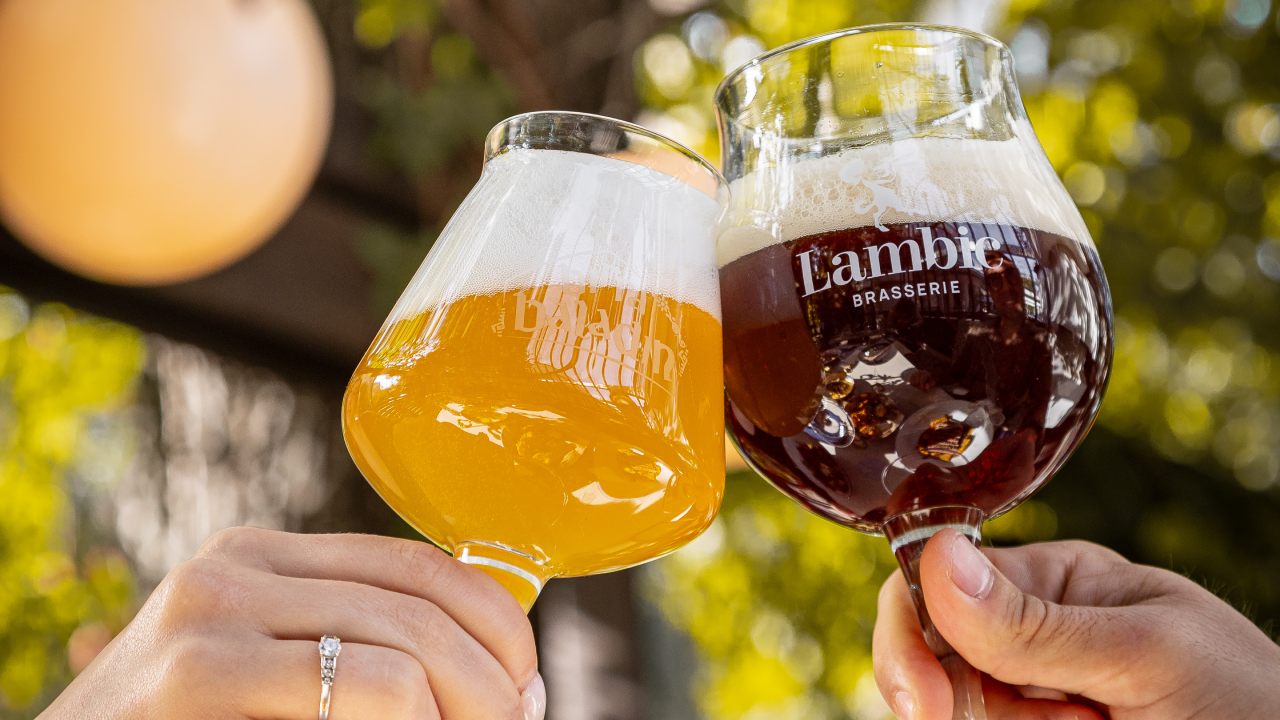
Beer and Cheese: A Pairing You Might Not Have Known About
Contents Why cheese and beer is a classic European pairing Which beer styles suit soft, semi-hard, and aged cheeses What to drink with blue cheese, goat cheese, and camembert Cheese and beer: ready-made set ideas for an evening at home and at Lambic restaurant Wine with cheese is a classic. But few people know that cheeses of various kinds can also be paired with beer. Beer doesn't overpower the flavor of cheese — it enhances it. Thanks to the wide variety of styles, you can find a match for everything from delicate mozzarella to pungent gorgonzola. Let's look at which cheese works best with beer and suggest a few interesting pairings. Why cheese and beer is a classic European pairing In Belgium, Germany, and the Netherlands, cheese boards have been served with beer for centuries. The reasons are simple: — carbon dioxide bubbles cleanse the palate of the cheese's richness;— hop bitterness helps balance it;— malty sweetness and fruity esters bring out even the most aged cheeses. Which beer styles suit soft, semi-hard, and aged cheeses Soft cheeses (brie, camembert, mozzarella, burrata) call for gentle styles: weissbier, witbier, bock. They add fruitiness without overwhelming the creaminess.Semi-hard cheeses (gouda, edam, tilsiter, cheddar) pair well with malty lagers, amber ales, and dubbels.Aged and hard cheeses (parmesan, gruyère, mature cheddar) go with IPA, tripel, barley wine, or imperial stout. What to drink with blue cheese, goat cheese, and camembert Blue cheeses (gorgonzola, roquefort, dorblu) pair perfectly with sour beer: fruit lambic or gose. A classic combination is roquefort with raspberry lambic.Goat cheese, with its tangy, earthy character, goes well with witbier, saison, or dry lager.Camembert and brie are best served with milk stout or porter: coffee-chocolate notes harmonize with the creaminess. Cheese and beer: ready-made set ideas for an evening at home and at Lambic restaurant Here are a few tried-and-tested combinations: Light aperitif set:— mozzarella or burrata with a Belgian witbier (such as Hoegaarden);— fresh goat cheese with a seasonal beer. Rich set:— aged gouda with an amber lager (märzen);— cheddar with a medium-bitterness IPA. Experimental set:— gorgonzola with lambic (cherry or raspberry);— camembert with milk stout. A versatile option for home: take four cheeses – brie, gruyère, roquefort, and fresh goat cheese – and serve them with witbier, tripel (such as Tripel Karmeliet), kriek, and gose. Try each pairing, and you'll be amazed how differently both the beer and the cheese reveal themselves. At Lambic, we'll offer you cheese appetizers to match any beer you choose. Come by – we'll find something to surprise you with!
17 June 2026