
How to Choose a Beer Restaurant in Moscow: A Guide to Key Criteria
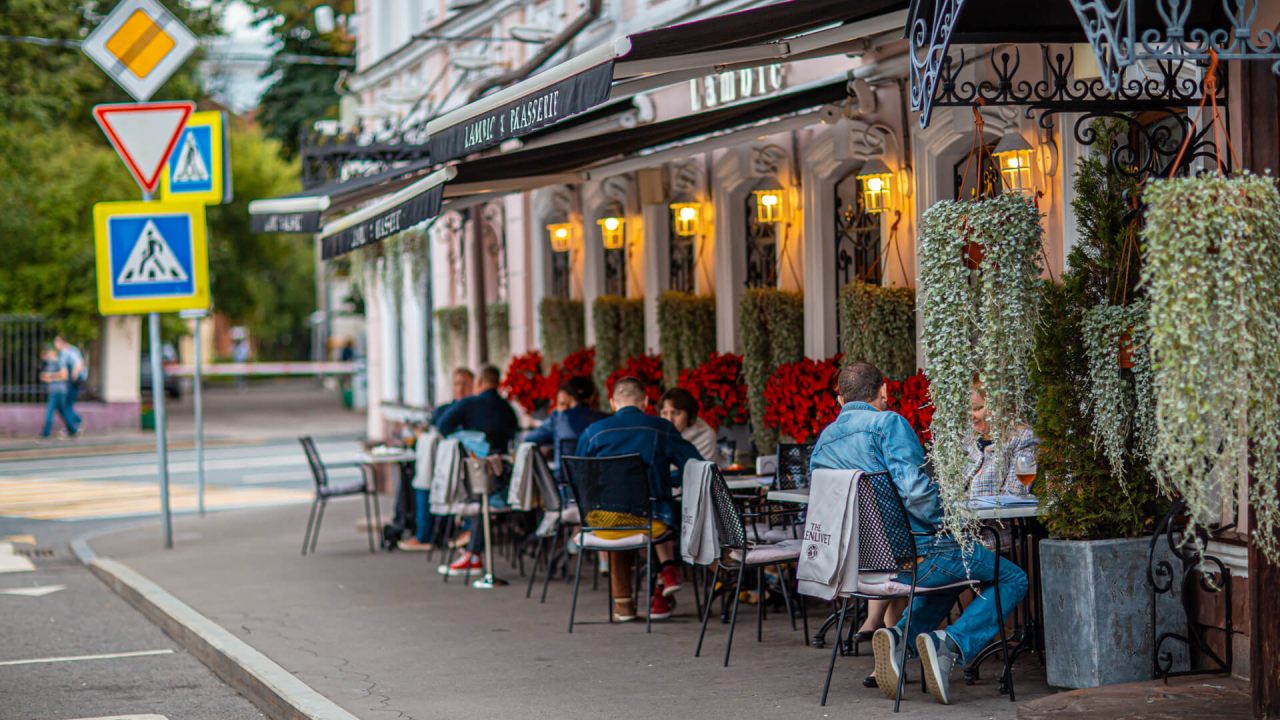
- What to look for in a beer restaurant: selection, proper serving, freshness
- How to tell from the menu if they really understand beer
- Atmosphere, music, service: details that shape the experience
- Why guests choose Lambic: format and concept
In Moscow, there are hundreds of beer restaurants—but not all of them can be called good. To avoid having your evening spoiled by stale beer or poor service, it’s worth evaluating a place in advance. Let’s look at how to choose a restaurant you’ll actually want to return to.
What to look for in a beer restaurant: selection, proper serving, freshness
The most important thing in any beer restaurant is the quality of the product. You can assess it based on three key criteria:
— Selection. A good restaurant doesn’t necessarily need a huge beer list. What matters is balance—having a variety of styles represented. The presence of craft beers or well-known Belgian brands is a strong sign that the establishment keeps up with the market.
— Proper serving. Beer should be poured into a perfectly clean, dry, and chilled glass. It’s also important that it’s served at the right temperature. For example, a rich stout should not be ice-cold, and a light lager should not be warm. The foam height and how quickly it settles can also indicate whether the draft system is functioning properly.
— Freshness. Beer is a perishable product. If a place isn’t popular, beer may sit too long in kegs, developing off-flavors like cardboard, metal, or sherry. In a good restaurant, high turnover ensures that kegs are replaced quickly and the beer is always fresh.
How to tell from the menu if they really understand beer
A menu can reveal more about a restaurant than the interior. Here’s what to look for:
— Detailed descriptions. Simple labels like «light,» «dark,» or «filtered» suggest a lack of expertise. A serious establishment will include the style, country or brewery, ABV, IBU, and tasting notes (caramel, citrus, hop bitterness, etc.).
— Proper glassware. Certain styles require specific types of glass. If the menu indicates that a Belgian ale is served in a particular glass, it’s a sign the restaurant values beer culture.
— Tasting sets. Ready-made selections of 3–5 beers indicate an understanding of flavor combinations.
— Food pairing. If the menu includes dishes designed to complement specific beer styles (for example, oysters with stout or goat cheese with lambic), it reflects a high level of expertise.
Atmosphere, music, service: details that shape the experience
Even a restaurant with a great menu can feel uncomfortable. When choosing a place, consider three key factors:
— Atmosphere. For casual gatherings with friends and football, a pub with rustic furniture and large screens works well. For a romantic evening or business meeting, choose a restaurant with soft lighting, comfortable seating, and well-zoned space. If you’re looking for authenticity, go for specialized beer restaurants—for example, those designed in a «beer temple» style.
— Music. It shouldn’t be too loud. The ideal background is jazz, rock ’n’ roll, or instrumental music at a moderate volume.
— Service. It should be attentive but not intrusive. If staff immediately push the most expensive options without offering alternatives, it’s probably not a place worth returning to. Good beer isn’t cheap—but there’s always something to suit different preferences and budgets.
Why guests choose Lambic: format and concept
The Lambic brasserie chain includes around fifteen beer restaurants in Moscow. We set a high standard of quality—and here’s why guests keep coming back:
— Expertise. Lambic specializes in Belgian beer, widely regarded as the benchmark of brewing. The menu also includes dozens of beers from around the world, as well as special options such as non-alcoholic and limited releases. You can find almost anything here, but every label is carefully selected.
— Gastronomic concept. Unlike typical pubs focused on snacks, Lambic offers a full restaurant kitchen. The menu is designed so that dishes pair perfectly with the drinks. Experienced staff are always ready to recommend the ideal pairing.
— Atmosphere. Lambic interiors are inspired by classic European beer restaurants: high-quality wooden furniture, cozy sofas, and soft lighting. There’s no intrusive loud music, making it a perfect place for long conversations and a comfortable experience.
But the best way is to come and see for yourself. We look forward to welcoming you to Lambic!


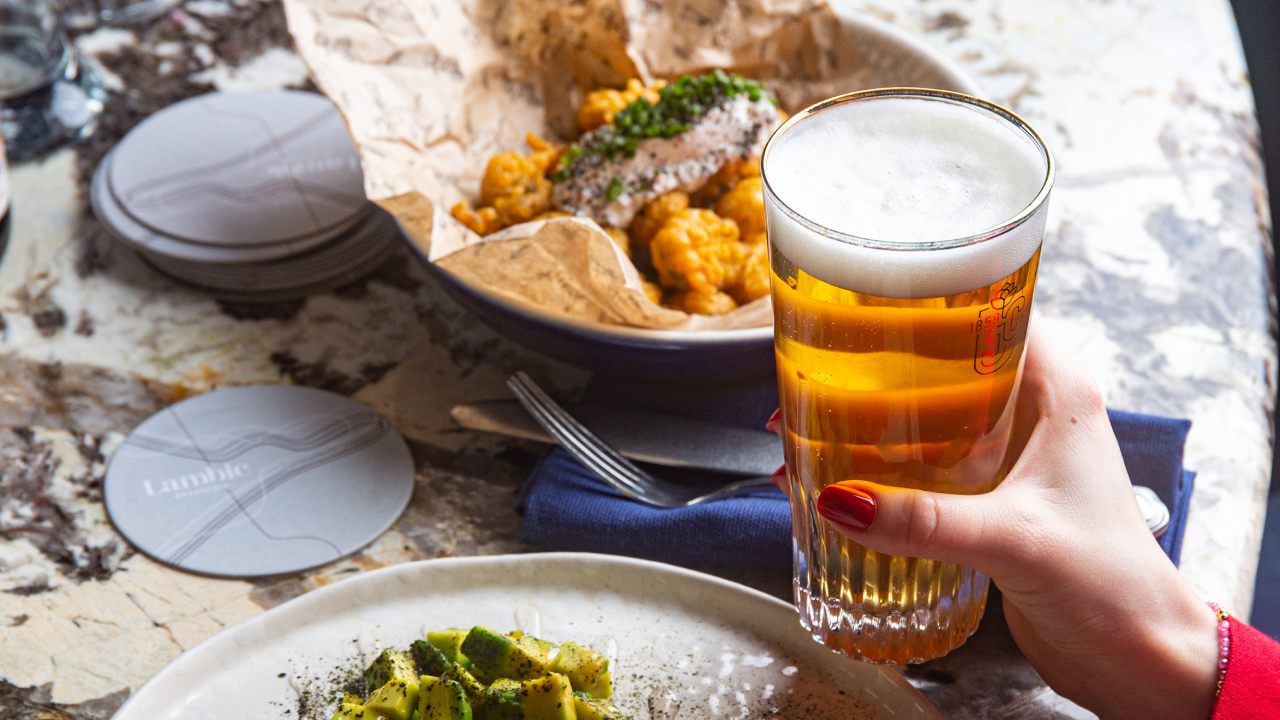
Lager Instead of Coffee: Can You Pair Beer with Breakfast and Light Meals?
Contents Can you drink beer in the morning and during the day Which salads pair well with beer Which breakfasts go well with beer It's commonly believed that beer is an evening drink, while breakfast or brunch usually comes with juice, coffee, or sparkling wine. In fact, pairing beer with morning and daytime dishes is a perfectly normal practice. The variety of styles makes it possible to find a match for almost any dish. And when chosen correctly, beer can work like an aperitif, awakening the appetite and gently aiding digestion. Can you drink beer in the morning and during the day Yes, and there are several reasons why. First, an ordinary lager or ale isn't any stronger than champagne, so even a glass of beer won't really get you drunk. Besides, hop bitterness in small doses stimulates gastric juice production, helping food digest better. The main thing is not to overdo the dose and not to pair the drink with greasy fast food. Which salads pair well with beer The main pairing principle is either contrast (something sour balancing something fatty) or harmony (malty sweetness softening salty and spicy flavors). Here are a few examples: — Salads with meat and poultry. Olivier salad with smoked duck pairs best with a light lager: its bready bitterness cleanses the palate. A salad with beef, pumpkin, and mustard dressing calls for a Belgian dubbel – its caramel sweetness will soften the spiciness.— Salads with fish and seafood. Niçoise salad with tuna and anchovies goes perfectly with a pilsner. A salad with shrimp, avocado, and feta cream is best served with a wheat beer (weissbier) – its soft banana and spicy notes will highlight the flavor.— Classic salads. Caesar salad pairs well with a wheat ale: banana and spicy notes will bring out the cheese and dressing. For Caesar salad with shrimp, a seasonal beer works well – its spicy acidity complements the seafood. Which breakfasts go well with beer An excellent beer pairing can be found for almost any popular breakfast dish: — Waffles. A potato waffle with salmon and poached egg pairs well with a sour ale. A waffle with chicken and mushrooms goes with a dry gose. Zucchini waffles with wasabi shrimp pair with a witbier.— Bruschetta. With beef and caramelized onion – pair with an amber lager. With chicken liver and arugula – pair with a milk stout.— Bacon and eggs. The best match is a light lager, which refreshes and cleanses the palate.— Sweet breakfasts. French toast with berries or oatmeal with raspberries pair wonderfully with a fruit lambic. Experiment – and you'll be amazed how many new nuances open up in familiar food. Or better yet, come for breakfast or a business lunch at Lambic: we'll recommend a beer that will win your heart, and tell you which dishes go best with it. See you soon!
17 June 2026
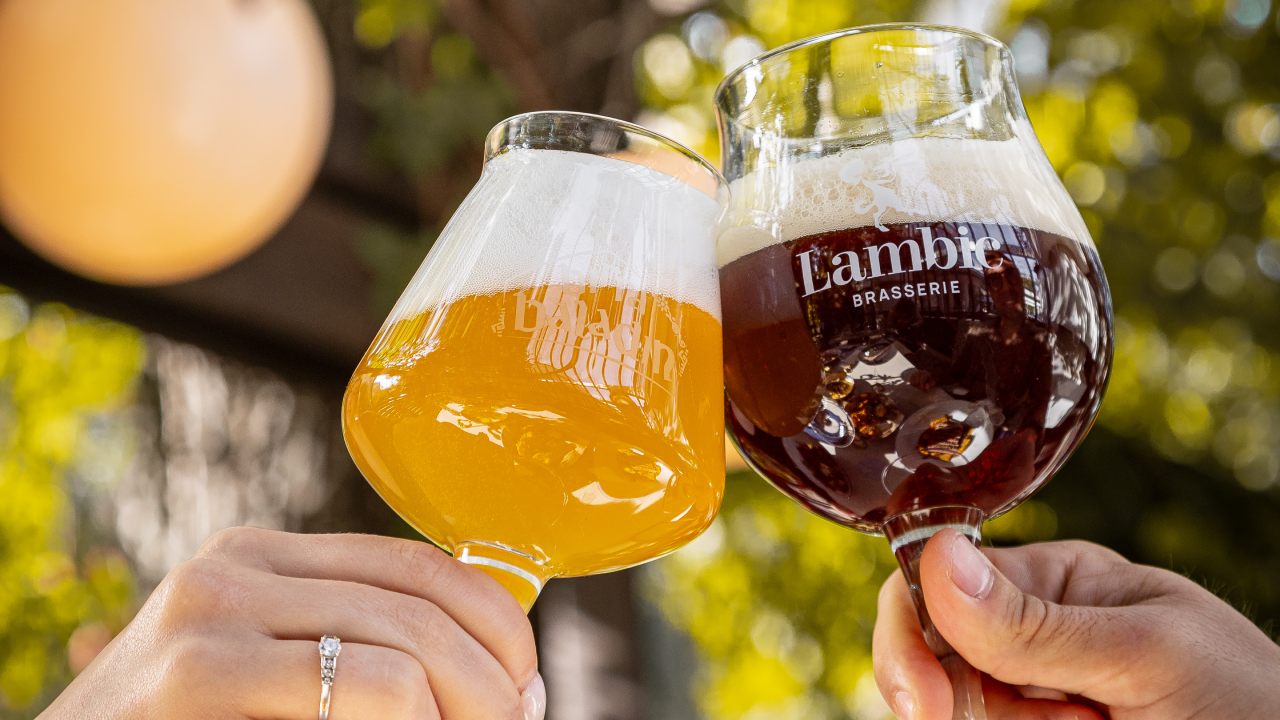
Beer and Cheese: A Pairing You Might Not Have Known About
Contents Why cheese and beer is a classic European pairing Which beer styles suit soft, semi-hard, and aged cheeses What to drink with blue cheese, goat cheese, and camembert Cheese and beer: ready-made set ideas for an evening at home and at Lambic restaurant Wine with cheese is a classic. But few people know that cheeses of various kinds can also be paired with beer. Beer doesn't overpower the flavor of cheese — it enhances it. Thanks to the wide variety of styles, you can find a match for everything from delicate mozzarella to pungent gorgonzola. Let's look at which cheese works best with beer and suggest a few interesting pairings. Why cheese and beer is a classic European pairing In Belgium, Germany, and the Netherlands, cheese boards have been served with beer for centuries. The reasons are simple: — carbon dioxide bubbles cleanse the palate of the cheese's richness;— hop bitterness helps balance it;— malty sweetness and fruity esters bring out even the most aged cheeses. Which beer styles suit soft, semi-hard, and aged cheeses Soft cheeses (brie, camembert, mozzarella, burrata) call for gentle styles: weissbier, witbier, bock. They add fruitiness without overwhelming the creaminess.Semi-hard cheeses (gouda, edam, tilsiter, cheddar) pair well with malty lagers, amber ales, and dubbels.Aged and hard cheeses (parmesan, gruyère, mature cheddar) go with IPA, tripel, barley wine, or imperial stout. What to drink with blue cheese, goat cheese, and camembert Blue cheeses (gorgonzola, roquefort, dorblu) pair perfectly with sour beer: fruit lambic or gose. A classic combination is roquefort with raspberry lambic.Goat cheese, with its tangy, earthy character, goes well with witbier, saison, or dry lager.Camembert and brie are best served with milk stout or porter: coffee-chocolate notes harmonize with the creaminess. Cheese and beer: ready-made set ideas for an evening at home and at Lambic restaurant Here are a few tried-and-tested combinations: Light aperitif set:— mozzarella or burrata with a Belgian witbier (such as Hoegaarden);— fresh goat cheese with a seasonal beer. Rich set:— aged gouda with an amber lager (märzen);— cheddar with a medium-bitterness IPA. Experimental set:— gorgonzola with lambic (cherry or raspberry);— camembert with milk stout. A versatile option for home: take four cheeses – brie, gruyère, roquefort, and fresh goat cheese – and serve them with witbier, tripel (such as Tripel Karmeliet), kriek, and gose. Try each pairing, and you'll be amazed how differently both the beer and the cheese reveal themselves. At Lambic, we'll offer you cheese appetizers to match any beer you choose. Come by – we'll find something to surprise you with!
17 June 2026