
Sour beer: what is this style and why is it chosen at Lambic?
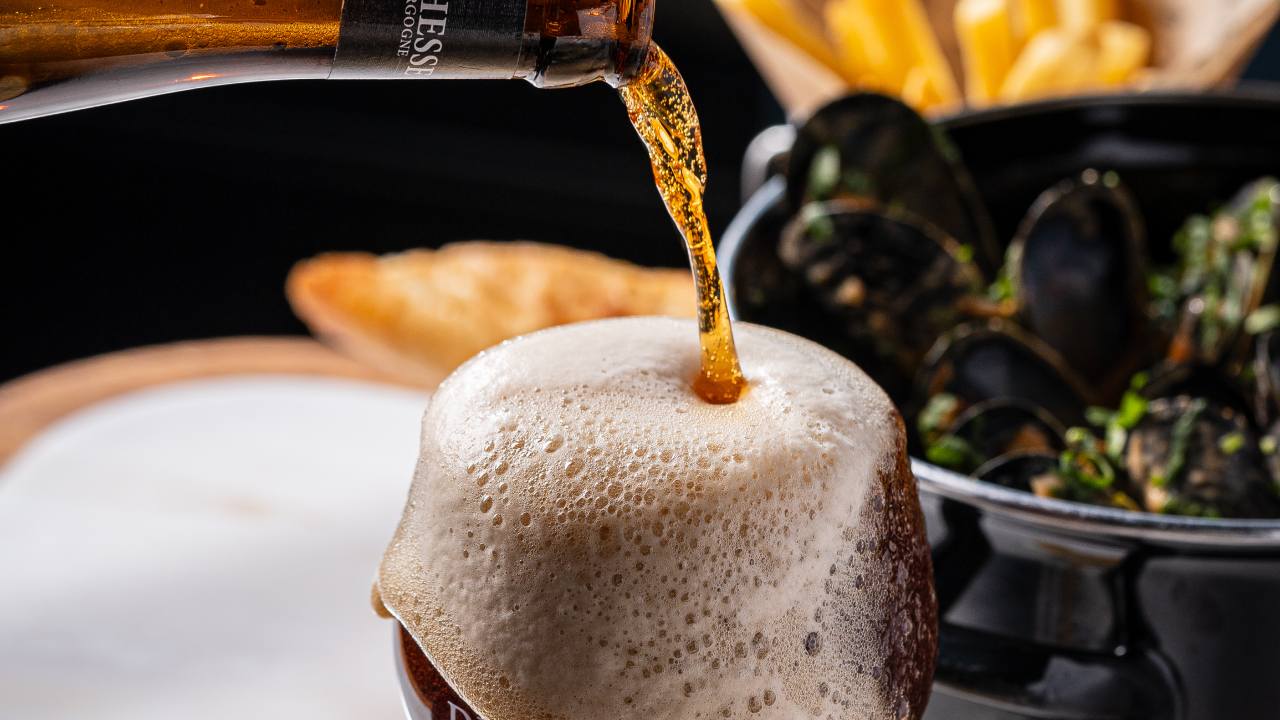
Many people who are not familiar with beer are sure that a sour-tasting brew is defective or spoiled. But this is far from the truth. Sour beer is a whole world of exquisite, complex, and surprisingly refreshing styles that are appreciated by connoisseurs around the world. Let’s take a look at why this unusual taste wins hearts and what makes sour beers so good.
Not a coincidence, but an art
The acidity in these beers is the result of painstaking work. The effect is achieved not only through the use of special yeast, but also thanks to the work of bacteria, especially wild bacteria, or prolonged aging in vats and barrels. This is how the famous Belgian lambics, sparkling gazes, and bright fruity sour ales are born.
Sour beer does not have the usual hoppy or malty bouquet. More often, its taste and aroma contain notes of dry cider, sparkling wine, ripe forest berries, citrus, green apple, or honey. Thanks to its wine-like and fruity character, sour beer often becomes a discovery even for those who do not like beer in general.
Sour beer in the Lambic range
At Lambic restaurants, we place special emphasis on authentic Belgian sour styles—the very ones that started the history of this genre. We recommend trying:
— Lambic — a Belgian beer of spontaneous fermentation. It is fermented under the influence of wild yeast and bacteria from the environment of the Senne River valley. This gives the drink a characteristic dry, sour wine taste with a long tart aftertaste.
— Gueuze — a variety obtained by mixing young (1 year old) and aged (2 years old and older) lambic. The young beer provides sugar for secondary fermentation in the bottle, while the aged beer adds complexity to the flavor. The result is a sparkling, highly carbonated beer with sharp acidity and a balanced, deep bouquet.
— Fruit lambics. Whole fruits are added to mature lambic: cherries (Kriek), raspberries (Framboise), peaches (Timmermans Peche), and others. They cause additional fermentation, imparting their flavor, color, and aroma to the beer. The result is a perfect balance between the fruity notes and the dry acidity of classic lambic. These varieties are not sweet, but fresh and complex.
— Flemish ales. They are brewed using red-brown malts and aged in oak barrels for several years. Interaction with lactic acid bacteria produces a characteristic acetic sourness. Depending on the variety, the taste also includes notes of fruit, bread, caramel, wood, spices, dates, chocolate, molasses, and others.
Pairings with Belgian cuisine
The bright, complex character of sour ale requires the right gastronomic accompaniment. Here are some of our recommendations:
— Seafood: live mussels, shrimp on ice, salmon tartare, cod with creamy nutmeg spinach. Sour beer will emphasize the tenderness of seafood and, if necessary, soften its fat content.
— Meat dishes and appetizers: beef tartare, smoked roast beef from Picardy with Parmesan and capers, Flemish-style beef. Sour varieties will create an interesting contrast and add freshness.
— Cheeses and pâtés: baked Camembert with truffle paste, chicken pâté with caramelized onions and strawberry jam. Sour beer is an excellent accompaniment to rich appetizers, as it balances their fattiness well.
— Salads and light dishes: salad with shrimp, avocado, and feta cream, green salad with crispy chicken and citrus aioli. In the first case, the beer will contrast with the creamy texture, and in the second, the acidity will harmoniously echo the citrus notes.
— Desserts: pistachio roll with raspberries, kataifi tiramisu, brownies with salted caramel. If the dish has a fruity sourness, the foam will complement it well, and sweet desserts will harmoniously balance it.
Key advice: it is best to try sour beer for the first time on the recommendation of a specialist, rather than blindly. It is important to serve it correctly — chilled, in a wide tulip-shaped glass, in order to fully appreciate its taste and aroma. The best option is to taste it at Lambic. Our waiters will assist you.


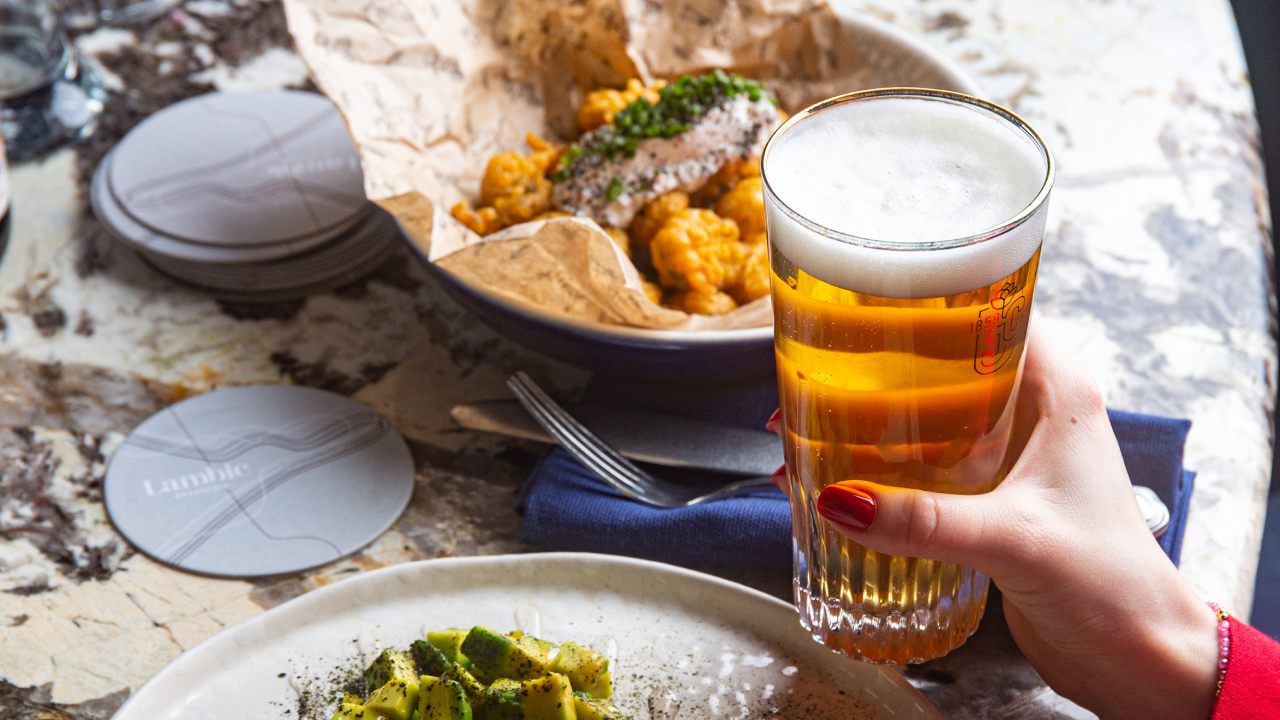
Lager Instead of Coffee: Can You Pair Beer with Breakfast and Light Meals?
Contents Can you drink beer in the morning and during the day Which salads pair well with beer Which breakfasts go well with beer It's commonly believed that beer is an evening drink, while breakfast or brunch usually comes with juice, coffee, or sparkling wine. In fact, pairing beer with morning and daytime dishes is a perfectly normal practice. The variety of styles makes it possible to find a match for almost any dish. And when chosen correctly, beer can work like an aperitif, awakening the appetite and gently aiding digestion. Can you drink beer in the morning and during the day Yes, and there are several reasons why. First, an ordinary lager or ale isn't any stronger than champagne, so even a glass of beer won't really get you drunk. Besides, hop bitterness in small doses stimulates gastric juice production, helping food digest better. The main thing is not to overdo the dose and not to pair the drink with greasy fast food. Which salads pair well with beer The main pairing principle is either contrast (something sour balancing something fatty) or harmony (malty sweetness softening salty and spicy flavors). Here are a few examples: — Salads with meat and poultry. Olivier salad with smoked duck pairs best with a light lager: its bready bitterness cleanses the palate. A salad with beef, pumpkin, and mustard dressing calls for a Belgian dubbel – its caramel sweetness will soften the spiciness.— Salads with fish and seafood. Niçoise salad with tuna and anchovies goes perfectly with a pilsner. A salad with shrimp, avocado, and feta cream is best served with a wheat beer (weissbier) – its soft banana and spicy notes will highlight the flavor.— Classic salads. Caesar salad pairs well with a wheat ale: banana and spicy notes will bring out the cheese and dressing. For Caesar salad with shrimp, a seasonal beer works well – its spicy acidity complements the seafood. Which breakfasts go well with beer An excellent beer pairing can be found for almost any popular breakfast dish: — Waffles. A potato waffle with salmon and poached egg pairs well with a sour ale. A waffle with chicken and mushrooms goes with a dry gose. Zucchini waffles with wasabi shrimp pair with a witbier.— Bruschetta. With beef and caramelized onion – pair with an amber lager. With chicken liver and arugula – pair with a milk stout.— Bacon and eggs. The best match is a light lager, which refreshes and cleanses the palate.— Sweet breakfasts. French toast with berries or oatmeal with raspberries pair wonderfully with a fruit lambic. Experiment – and you'll be amazed how many new nuances open up in familiar food. Or better yet, come for breakfast or a business lunch at Lambic: we'll recommend a beer that will win your heart, and tell you which dishes go best with it. See you soon!
17 June 2026
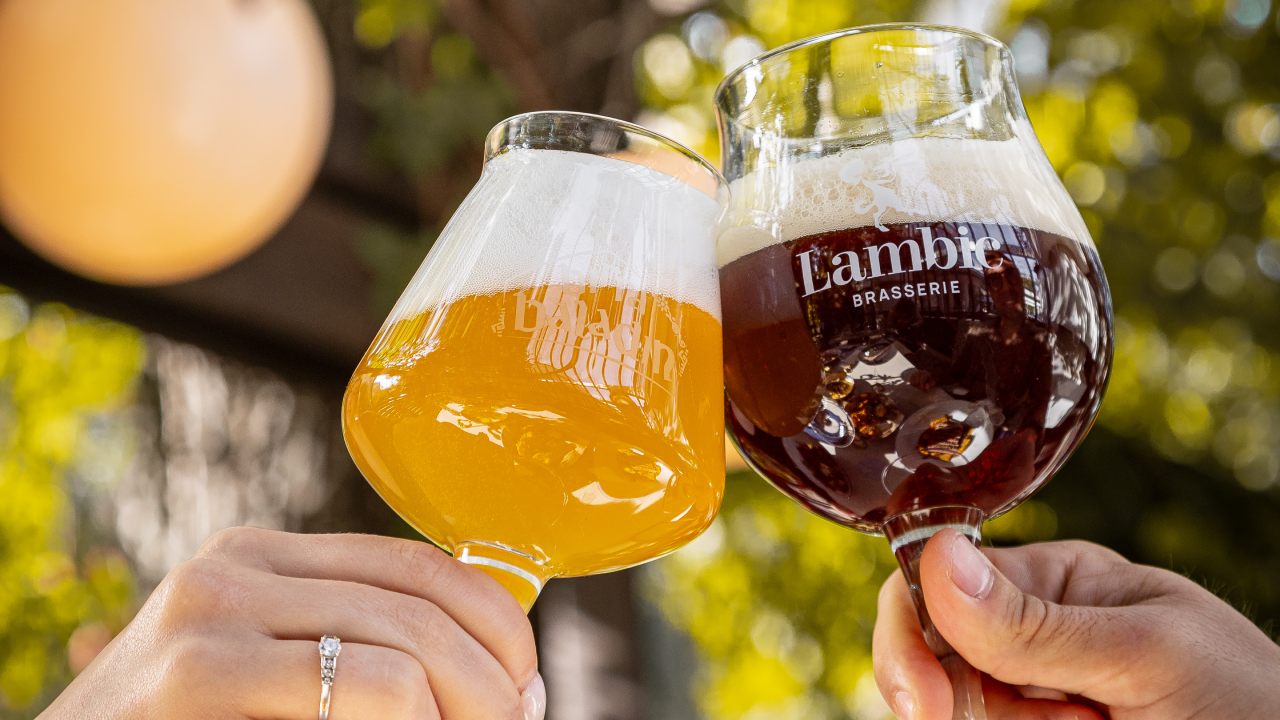
Beer and Cheese: A Pairing You Might Not Have Known About
Contents Why cheese and beer is a classic European pairing Which beer styles suit soft, semi-hard, and aged cheeses What to drink with blue cheese, goat cheese, and camembert Cheese and beer: ready-made set ideas for an evening at home and at Lambic restaurant Wine with cheese is a classic. But few people know that cheeses of various kinds can also be paired with beer. Beer doesn't overpower the flavor of cheese — it enhances it. Thanks to the wide variety of styles, you can find a match for everything from delicate mozzarella to pungent gorgonzola. Let's look at which cheese works best with beer and suggest a few interesting pairings. Why cheese and beer is a classic European pairing In Belgium, Germany, and the Netherlands, cheese boards have been served with beer for centuries. The reasons are simple: — carbon dioxide bubbles cleanse the palate of the cheese's richness;— hop bitterness helps balance it;— malty sweetness and fruity esters bring out even the most aged cheeses. Which beer styles suit soft, semi-hard, and aged cheeses Soft cheeses (brie, camembert, mozzarella, burrata) call for gentle styles: weissbier, witbier, bock. They add fruitiness without overwhelming the creaminess.Semi-hard cheeses (gouda, edam, tilsiter, cheddar) pair well with malty lagers, amber ales, and dubbels.Aged and hard cheeses (parmesan, gruyère, mature cheddar) go with IPA, tripel, barley wine, or imperial stout. What to drink with blue cheese, goat cheese, and camembert Blue cheeses (gorgonzola, roquefort, dorblu) pair perfectly with sour beer: fruit lambic or gose. A classic combination is roquefort with raspberry lambic.Goat cheese, with its tangy, earthy character, goes well with witbier, saison, or dry lager.Camembert and brie are best served with milk stout or porter: coffee-chocolate notes harmonize with the creaminess. Cheese and beer: ready-made set ideas for an evening at home and at Lambic restaurant Here are a few tried-and-tested combinations: Light aperitif set:— mozzarella or burrata with a Belgian witbier (such as Hoegaarden);— fresh goat cheese with a seasonal beer. Rich set:— aged gouda with an amber lager (märzen);— cheddar with a medium-bitterness IPA. Experimental set:— gorgonzola with lambic (cherry or raspberry);— camembert with milk stout. A versatile option for home: take four cheeses – brie, gruyère, roquefort, and fresh goat cheese – and serve them with witbier, tripel (such as Tripel Karmeliet), kriek, and gose. Try each pairing, and you'll be amazed how differently both the beer and the cheese reveal themselves. At Lambic, we'll offer you cheese appetizers to match any beer you choose. Come by – we'll find something to surprise you with!
17 June 2026